How Wellness Design Shapes Hospitality Brand Identity
Wellness design goes beyond aesthetics. It is a philosophy that integrates architecture, materials, spatial flow, sensory experience, and human-centered values to create environments that nurture both body and mind. For hotels, resorts, spas, and retreat destinations, wellness design is no longer an add-on—it is a strategic tool that shapes brand identity and guest loyalty.
Wellness Design as a Brand Language
Every hospitality brand communicates a story. Some speak through luxury and grandeur, others through warmth and intimacy. Wellness design acts as a silent language, expressing what a brand stands for without words.
When guests step into a space designed with wellness in mind, they immediately sense intentionality:
- Natural materials instead of synthetic finishes
- Calming proportions rather than overwhelming scale
- Thoughtful lighting that respects circadian rhythms
- Spaces that invite stillness, not just activity
These elements send a clear message: this brand cares about how you feel. Over time, that emotional resonance becomes inseparable from the brand itself.
The Rise of Wellness-Oriented Hospitality
Modern travelers are increasingly wellness-conscious. They seek destinations that help them disconnect from stress, reconnect with themselves, and restore balance. As a result, hospitality brands that embed wellness into their design gain a strong competitive advantage.
Wellness-oriented hospitality is not limited to spa areas. It extends to:
- Guest rooms that promote deep rest
- Public spaces that encourage slow movement and reflection
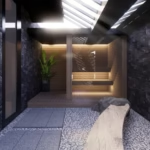
- Bathing rituals that soothe both body and mind
- Communal areas designed for quiet connection
Brands that successfully integrate these elements are perceived as more authentic, thoughtful, and premium—regardless of their size.
Natural Materials as Identity Anchors
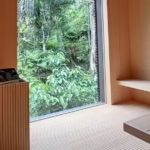
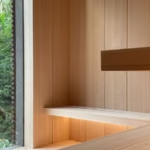
One of the most powerful tools in wellness design is the use of natural materials, especially wood. Wood carries warmth, texture, and a sense of timelessness that artificial materials struggle to replicate.
Among various wood types, Hinoki (Japanese cypress) stands out in wellness environments. Known for its subtle aroma, antibacterial properties, and calming presence, Hinoki has been used for centuries in Japanese baths, temples, and healing spaces.
This is where Nagomi plays a defining role.
Nagomi: Translating Wellness into Tangible Experiences
Nagomi specializes in crafting wellness products made from premium Hinoki wood, bringing Japanese-inspired serenity into modern hospitality spaces. Each Nagomi product is designed not just as an object, but as an experience—one that reinforces a brand’s wellness identity.
Hinoki Bathtubs: Ritual as Brand Memory
Bathing is no longer a functional necessity; it has become a ritual of restoration. A Hinoki bathtub from Nagomi transforms a bathroom into a private sanctuary. The natural aroma of Hinoki, combined with warm water, creates a sensory experience guests remember long after checkout.
For hospitality brands, this ritual becomes a signature moment—one that guests associate exclusively with the property.
Sauna & Ofuro Concepts: Wellness as Architecture
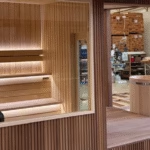
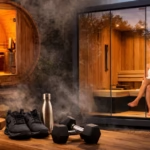
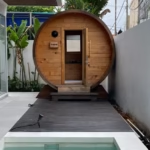
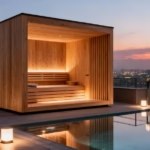
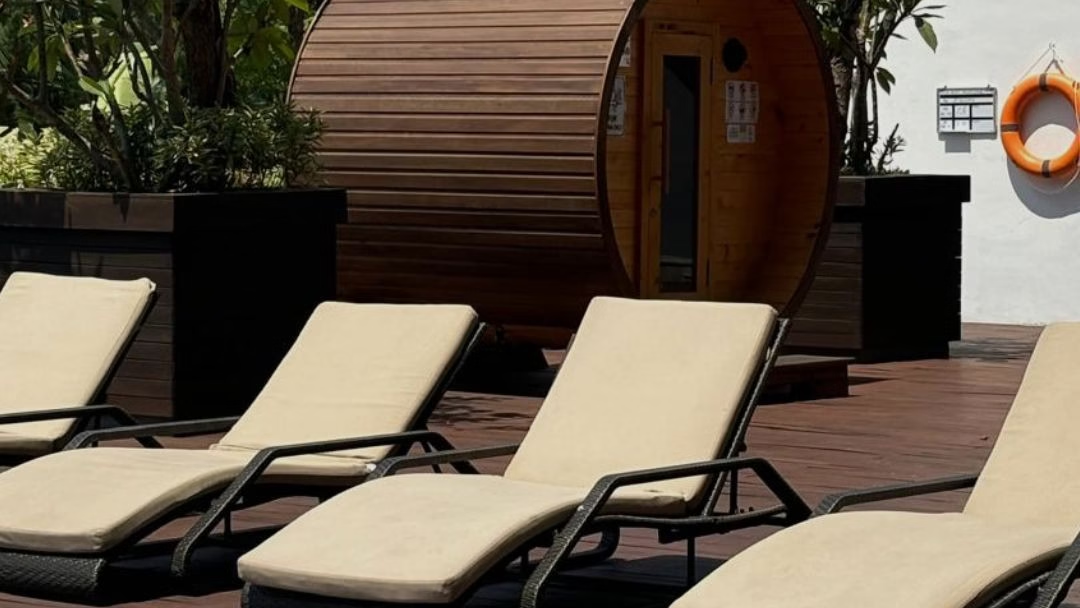
Nagomi’s Hinoki saunas and traditional ofuro-style bathing concepts allow hotels and resorts to integrate wellness at an architectural level. These are not standalone amenities; they become spatial identities that define the property.
A well-designed sauna or bathing pavilion communicates calm, craftsmanship, and intentional living—values that elevate the brand narrative.
Wellness Furniture & Interior Elements
From sushi tables and lampshades to interior wellness elements, Nagomi’s products bring consistency to the wellness story. When materials, textures, and design language align across spaces, brand identity feels cohesive and deeply considered.
Emotional Branding Through Sensory Design
Strong hospitality brands are built on emotion, not explanation. Guests may forget room numbers or floor plans, but they remember how a space made them feel.
Wellness design enhances emotional branding through:
- Touch: smooth, warm wooden surfaces
- Scent: the natural fragrance of Hinoki
- Sound: quieter, acoustically balanced spaces
- Sight: minimalist forms that reduce visual noise
Nagomi’s products are designed to activate these senses subtly, allowing hospitality brands to create emotional connections without overt marketing.
Authenticity in a Saturated Market
As wellness becomes a buzzword, authenticity becomes critical. Guests can easily distinguish between superficial wellness features and spaces designed with genuine care.
By investing in high-quality, purpose-driven wellness products like those from Nagomi, hospitality brands signal long-term commitment rather than trend-chasing. Craftsmanship, material honesty, and cultural respect all contribute to credibility.
Wellness Design as a Long-Term Brand Investment
Unlike decorative trends that fade, wellness design appreciates over time. It supports:
- Higher guest satisfaction and repeat visits
- Stronger word-of-mouth and brand storytelling
- Alignment with sustainable and mindful values
- Differentiation in competitive hospitality markets
Nagomi’s Hinoki-based products are designed to age gracefully, reinforcing brand identity year after year.
Conclusion: Designing How a Brand Is Remembered
Wellness design shapes not only spaces, but perceptions. It influences how guests remember a brand, how they talk about it, and whether they return.
By integrating thoughtful wellness design and authentic materials, hospitality brands move beyond offering accommodation—they offer restoration. Through its Hinoki bathtubs, saunas, and wellness-centered interiors, Nagomi helps hospitality brands express calm, care, and timeless quality in ways that guests can feel, not just see.
In a world that moves fast, brands that design for stillness stand apart. And that difference is felt long after the journey ends.