
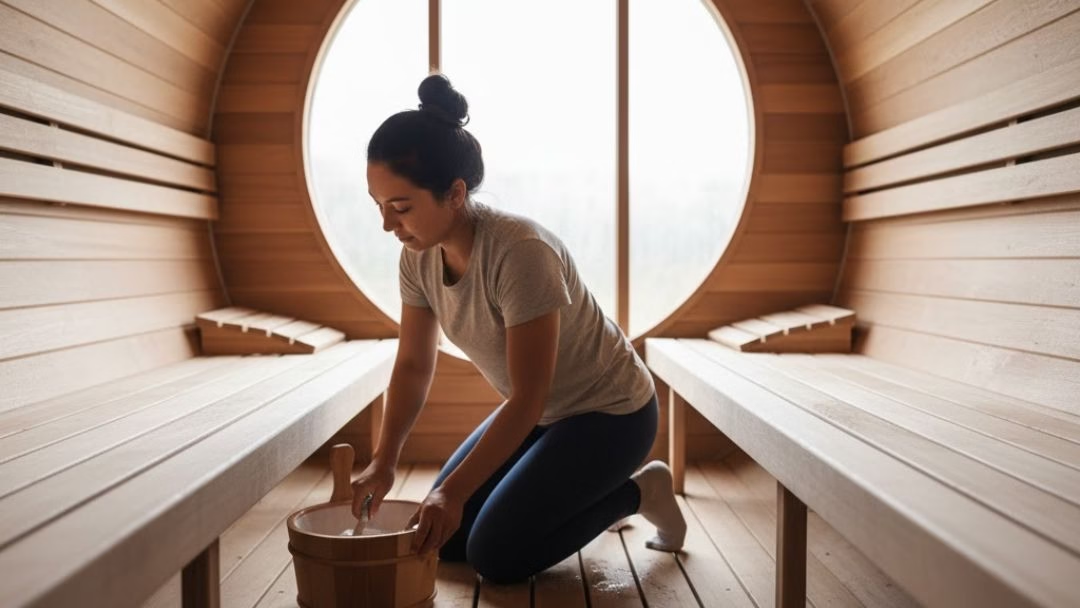
How to Care for Your Hinoki Sauna: Cleaning, Maintenance and Keeping the Aroma Alive
A hinoki sauna is built to last, but it ages best when it is looked after. The wood is soft to the touch, lightly scented and naturally resistant to moisture, and these qualities stay with the sauna for years when the care routine is simple and consistent. Whether you own a home sauna or manage one at a hotel or villa, this guide covers what to do after each session, what to clean each week, and how to protect the wood in Indonesia's humid weather.
Why Hinoki Needs Gentle Care
Hinoki is Japanese cypress, a fine-grained wood prized for baths, temples and furniture. Its surface is smooth and its fragrance comes from natural compounds in the wood itself. Harsh chemicals, heavy sealants and aggressive scrubbing can strip that scent and roughen the grain. For that reason, hinoki care leans on water, air and soft cloths rather than strong products.
After Every Session
These habits take only a few minutes and prevent most problems:
- Sit on a towel so sweat does not soak directly into the benches.
- Turn the heater off and leave the door open so the interior can dry.
- Wipe the benches and backrests with a soft cloth that is slightly damp.
- Remove towels, water bottles and sandals from the room.
Never leave wet towels inside a closed sauna. Trapped moisture is the main cause of musty smells.
Weekly Cleaning
Once a week, or after heavy use, give the sauna a fuller clean. Wipe all benches, the floor slats and the door handle with a soft cloth and clean water. For stubborn marks, use a very mild, unscented soap diluted in water, then wipe again with clean water so no residue remains. Avoid bleach, ammonia and strongly scented cleaners, which can leave odors that mix badly with the heat. Let the sauna air out completely before the next session.
Check the duckboards and floor as well. They collect sweat and moisture first, so lift them out and dry them in the open air if you can.
Monthly and Seasonal Checks
Once a month, look over the wood with a flashlight. Check the benches, the corners and the area around the heater for dark stains, soft spots or small cracks. Light sweat marks can often be removed by sanding gently along the grain with fine sandpaper. Tighten any loose fittings, and inspect the door seal and hinges.
During the rainy season, also check the exterior and the base for damp patches, and make sure water is draining away from the sauna.
Preventing Mold and Odor in Humid Weather
Humidity is the biggest challenge for any wooden room in Indonesia. Keep the sauna ventilated, run the heater for a short period when the room has been unused for several days, and avoid storing items inside. If you see mold, wipe it with a damp cloth and let the wood dry fully. Do not coat hinoki with varnish to hide the problem, because trapped moisture will only make it worse.
Keeping the Aroma Alive
The scent of hinoki is gentlest when the wood is clean and dry. Warm the sauna regularly, because heat releases the fragrance naturally. If the aroma fades over time, a light sanding of the bench surface can bring fresh wood to the surface. Skip artificial fragrances, which compete with the wood's own scent.
Cold Plunge Care
If your hinoki cold plunge is part of the setup, change the water on a regular schedule and wipe the tub walls with a soft cloth. Rinse well, then leave the tub open to dry whenever it is empty. Follow the care instructions supplied with your Nagomi product for water treatment and cleaning products.
Quick Checklist for Hotel and Villa Teams
- Wipe benches after each guest session.
- Air out the room with the door open.
- Wash the floor slats and handles weekly.
- Inspect the wood monthly for stains, cracks and pests.
- Record each check so the next team member can see it.
To learn more about the wood itself, read What Makes Hinoki Wood So Special and The Hidden Healing Power of Hinoki Wood. For care advice specific to your Nagomi product, contact our team.