
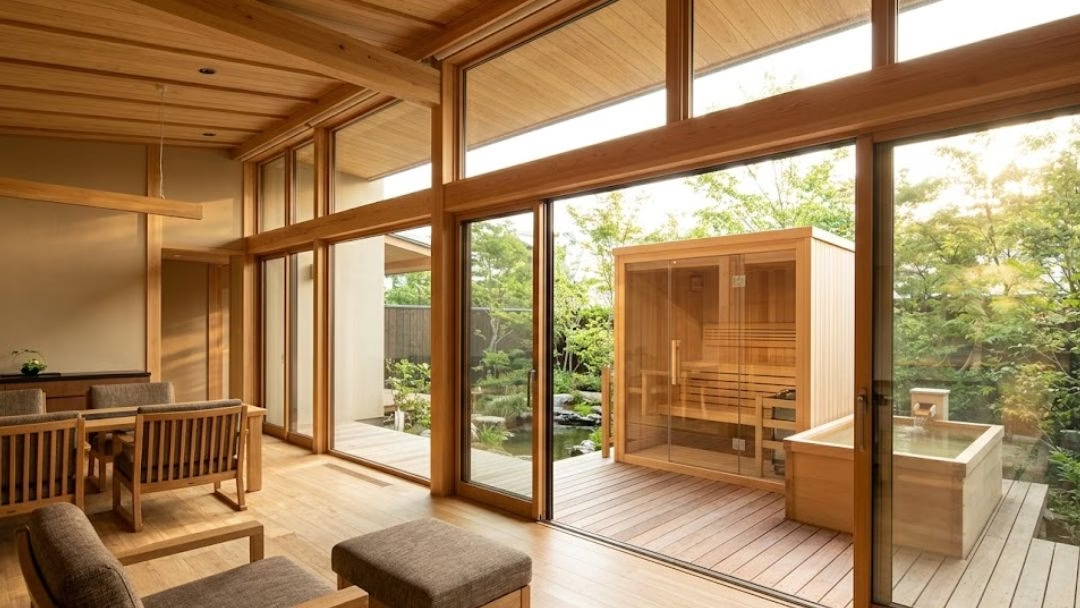
How Japanese Wellness Design Influences Modern Luxury Villas
The definition of luxury is changing.
For decades, luxury villas were measured by size, exclusivity, and lavish amenities. Large swimming pools, expansive living spaces, and extravagant finishes often defined what it meant to live luxuriously. Today, however, a new generation of homeowners, architects, and hospitality developers is embracing a different vision of luxury one centered on wellness, mindfulness, and emotional well-being.
At the heart of this transformation lies the influence of Japanese wellness design. Rooted in centuries of cultural wisdom, Japanese design philosophy emphasizes harmony between people, nature, and the spaces they inhabit. Rather than overwhelming the senses, Japanese wellness design seeks to create environments that promote calmness, balance, and restoration.
This approach has become increasingly influential in the development of modern luxury villas around the world.
The Philosophy Behind a Wellness Sanctuary
Japanese wellness philosophy centers on harmony between nature and architecture, body and mind, function and beauty. Natural materials, especially wood, play a crucial role in this balance. Among them, Hinoki wood stands out for its remarkable qualities.
Hinoki (Japanese cypress) has been used for centuries in traditional baths, temples, and sacred spaces in Japan. Its natural antibacterial properties, resistance to humidity, and calming citrus-like aroma make it ideal for wellness-focused interiors. More than a material, it is an experience.
Nagomi integrates authentic Hinoki wood into a range of products that help homeowners bring this philosophy into modern living spaces.
The Shift from Visual Luxury to Experiential Luxury
Modern luxury is no longer solely about what a space looks like. It is increasingly about how a space makes people feel. A beautifully designed villa may impress visitors at first glance, but true luxury today extends beyond aesthetics. It includes comfort, tranquility, privacy, and the ability to disconnect from the pressures of everyday life.
This shift has led architects and developers to explore wellness-focused design principles that support physical and mental well-being.
Japanese wellness design naturally aligns with these goals because it prioritizes atmosphere over excess and experience over decoration. The result is a living environment that feels peaceful, restorative, and deeply connected to nature.
Nature as the Foundation of Design
One of the most recognizable characteristics of Japanese wellness design is its relationship with nature. Traditional Japanese architecture blurs the boundaries between indoor and outdoor spaces. Gardens, natural light, water features, and wooden materials become integral parts of the living experience rather than decorative additions.
Modern luxury villas increasingly adopt this philosophy by incorporating:
- Floor-to-ceiling windows that maximize natural light
- Courtyards and private gardens
- Outdoor wellness spaces
- Natural ventilation systems
- Organic materials such as wood and stone
These elements create a stronger connection between occupants and their environment, fostering a sense of calm that is often absent in urban living.
Research consistently shows that exposure to nature can reduce stress levels, improve mood, and enhance overall well-being. Japanese wellness design recognizes this intuitively and integrates nature into daily life.
The Importance of Simplicity
Many luxury interiors are filled with decorative elements intended to communicate status and sophistication. Japanese design takes a different approach. Instead of adding more, it focuses on removing what is unnecessary. This philosophy of simplicity creates visual clarity and allows people to focus on what truly matters.
Minimalism in Japanese wellness design does not mean emptiness. Rather, it means intentionality. Every material, piece of furniture, and architectural detail serves a purpose. In luxury villas, this translates into spaces that feel open, balanced, and calming. Without excessive visual stimulation, residents can experience a greater sense of mental clarity and relaxation.
Wellness Spaces as Essential Features
As wellness becomes a priority for modern homeowners, dedicated wellness areas are becoming standard features in luxury villa design.
Japanese-inspired wellness spaces often include:
- Hinoki wood saunas
- Meditation rooms
- Outdoor bathing areas
- Zen gardens
- Wellness pavilions
- Quiet reading spaces
These environments encourage daily rituals that support physical and emotional well-being.
A sauna, for example, is no longer viewed as an occasional luxury. It becomes part of a lifestyle focused on restoration and self-care.
The integration of wellness spaces transforms a villa from a place of residence into a personal sanctuary.
The Role of Hinoki Wood
Among the materials commonly associated with Japanese wellness design, Hinoki wood occupies a special place.
For centuries, Hinoki has been used in temples, bathhouses, and wellness environments throughout Japan. Its natural aroma, elegant appearance, and exceptional durability make it highly valued in wellness architecture.
The sensory qualities of Hinoki contribute significantly to the atmosphere of a space.
The subtle fragrance creates a feeling of calmness, while its warm texture enhances comfort and connection with nature.
In luxury villas, Hinoki is increasingly used for:
- Saunas
- Wellness rooms
- Spa facilities
- Feature walls
- Custom furniture
- Outdoor retreats
Its presence elevates both the aesthetic and emotional experience of the environment.
Privacy as a Wellness Experience
Another key lesson modern luxury villas draw from Japanese design is the importance of privacy. Wellness requires more than beautiful surroundings. It requires a sense of security and freedom from distraction. Japanese architecture often creates privacy through thoughtful spatial planning rather than imposing barriers.
Courtyards, gardens, screens, and carefully positioned openings allow residents to feel connected to nature while maintaining a sense of seclusion.
This design strategy supports relaxation and encourages moments of reflection.
In a world characterized by constant connectivity, privacy has become one of the most valuable forms of luxury.
The Future of Luxury Living
The growing influence of Japanese wellness design reflects broader changes in how people define success and quality of life. Rather than pursuing excess, many individuals now seek balance. They value experiences that improve their health, reduce stress, and create meaningful connections with their surroundings.
Luxury villas that embrace wellness design are responding to this demand by creating spaces that nurture the whole person physically, mentally, and emotionally.
As wellness continues to shape the future of architecture and hospitality, Japanese design principles will remain a powerful source of inspiration.
Conclusion
Japanese wellness design has transformed the way luxury villas are conceived and experienced. By emphasizing simplicity, natural materials, wellness rituals, privacy, and harmony with nature, it creates environments that support a healthier and more balanced lifestyle. The future of luxury is not defined by how much a space contains.
It is defined by how deeply it enriches the lives of those who inhabit it.
In that sense, Japanese wellness design offers a timeless blueprint for modern luxury living.