
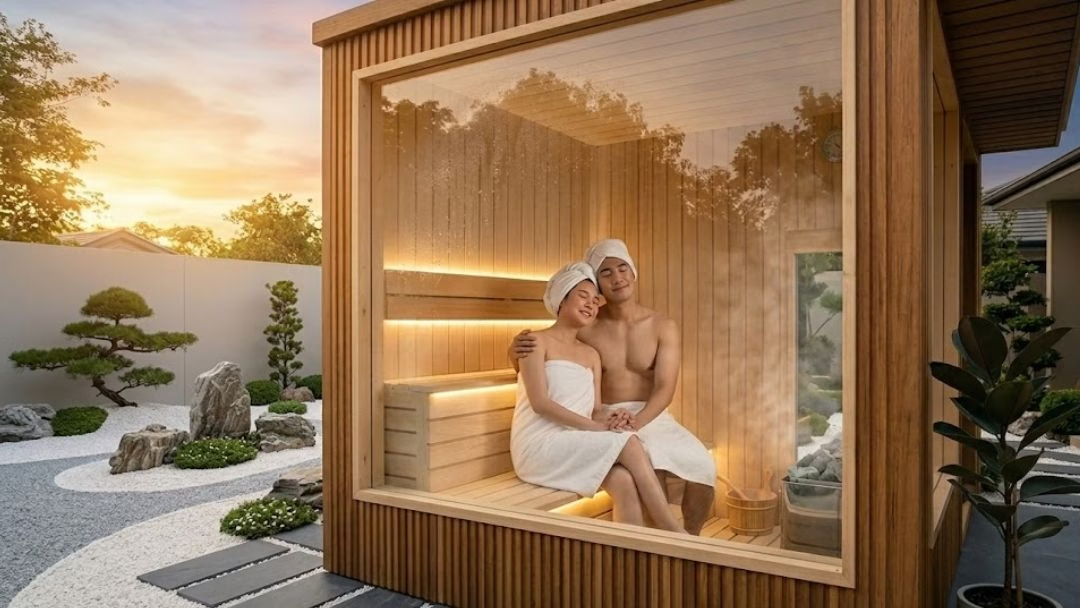
The Psychology of Warm Spaces: Why Humans Crave Natural Warmth
The psychology of warm spaces: why humans crave natural warmth : In today’s fast-moving world, people are searching for more than beautiful interiors. They are searching for spaces that make them feel emotionally safe, mentally calm, and physically restored. This growing desire explains why warm, natural environments have become deeply connected to modern wellness living.
From Japanese wellness architecture to Scandinavian sauna culture, warm spaces consistently evoke a sense of comfort and peace. But this emotional response is not only aesthetic , it is psychological, sensory, and deeply human. Natural wood textures, soft lighting, warm steam, and quiet environments affect the nervous system in ways that modern environments often cannot. In many ways, warmth is no longer simply a physical sensation. It has become an emotional experience.
Why Warm Spaces Feel Safe
Humans naturally associate warmth with security and belonging. Since ancient times, warmth symbolized protection fire during cold nights, sunlight after storms, and shelters built from natural materials. Modern psychology continues to support this connection. Studies in environmental psychology suggest that warm environments can help reduce stress levels, promote relaxation, and create stronger feelings of emotional comfort.
This is why entering a warm sauna, sitting inside a wooden interior, or even touching natural materials often creates an immediate calming response. Unlike cold, overly sterile spaces filled with artificial lighting and harsh surfaces, warm environments encourage the body to slow down. They invite stillness. This emotional effect becomes even stronger when natural materials are involved.
The Power of Natural Wood
Among wellness materials, wood remains one of the most emotionally comforting elements in architecture and interior design.
Japanese Hinoki wood, in particular, has long been valued not only for its beauty but also for the sensory experience it creates. The soft aroma, smooth texture, and subtle warmth of Hinoki transform a space into something deeply restorative.
Natural wood introduces organic imperfection into modern life. Every grain pattern, color variation, and texture reminds us of nature’s presence.
In wellness design, this matters more than many people realize.
Our daily environments are increasingly dominated by screens, synthetic materials, notifications, and overstimulation. Warm wooden spaces help rebalance that experience by reconnecting people with tactile, natural surroundings. This is one reason luxury wellness resorts and modern hospitality projects increasingly integrate wooden saunas, spa rooms, and nature-inspired interiors into their guest experiences.
Warmth creates emotional memory.
How Warm Environments Affect the Nervous System
Warm spaces influence the body physiologically as well as emotionally. When the body experiences warmth in a calm environment, the nervous system begins shifting away from “fight or flight” mode toward a more restorative state. Heart rate slows, muscles relax, and breathing becomes deeper.
This is one reason sauna rituals have remained part of wellness culture for centuries. The combination of heat, silence, and sensory simplicity encourages mindfulness without forcing it. Unlike digital entertainment or fast-paced distractions, warm spaces naturally guide people toward stillness. This is especially important today, when mental fatigue and constant stimulation have become part of modern living.
A warm wellness space acts almost like a reset button for the mind.
The Rise of Emotional Wellness Design
Interior design trends are shifting dramatically from visual luxury toward emotional luxury. People no longer want homes or hospitality spaces that simply look impressive. They want environments that help them feel grounded, calm, and emotionally restored.
This shift explains the growing popularity of:
- Home wellness sanctuaries
- Sauna rooms
- Nature-inspired architecture
- Soft minimalist interiors
- Slow living spaces
- Wellness-focused hospitality
In many ways, the future of luxury is emotional well-being. Warmth plays a central role in this movement because it creates a feeling that modern life often lacks: comfort without distraction.
Japanese Wellness Philosophy and Warmth
Japanese design philosophy has long understood the emotional importance of warmth and simplicity.
Concepts such as “Ma” — the intentional use of space and emptiness — encourage people to experience calmness through atmosphere rather than excess.
Japanese wellness spaces often emphasize:
- Natural materials
- Gentle lighting
- Quiet environments
- Balance with nature
- Sensory harmony
This approach is not about decoration. It is about emotional experience.
A Hinoki sauna, for example, is not simply a functional room. It becomes a ritual space where warmth, aroma, silence, and texture work together to calm the body and mind.That sensory harmony explains why Japanese wellness aesthetics continue influencing luxury architecture and wellness hospitality around the world.
Warmth as the New Luxury
For years, luxury was associated with excess — larger spaces, brighter lighting, more visual stimulation.Today, luxury is becoming quieter.
The modern definition of luxury increasingly includes:
- Silence
- Rest
- Privacy
- Natural materials
- Wellness rituals
- Emotional balance
Warm spaces embody all of these qualities. The experience of sitting quietly in a warm wooden sauna, disconnected from screens and surrounded by natural textures, represents a new kind of richness one based on presence rather than consumption.
As modern lifestyles become faster and more digital, the emotional value of warmth will only become more important. People are no longer searching only for beautiful spaces. They are searching for spaces that help them breathe again.
Conclusion
Warm spaces affect us because they reconnect us with something deeply human.
Through natural materials, gentle heat, sensory calmness, and intentional design, warm wellness environments create emotional safety in a world that often feels overstimulating.
Whether through a sauna ritual, a wooden interior, or a quiet wellness sanctuary, warmth allows people to slow down and reconnect with themselves.
In the future of wellness living, warmth will not simply be a design choice.
It will become an essential human experience.