
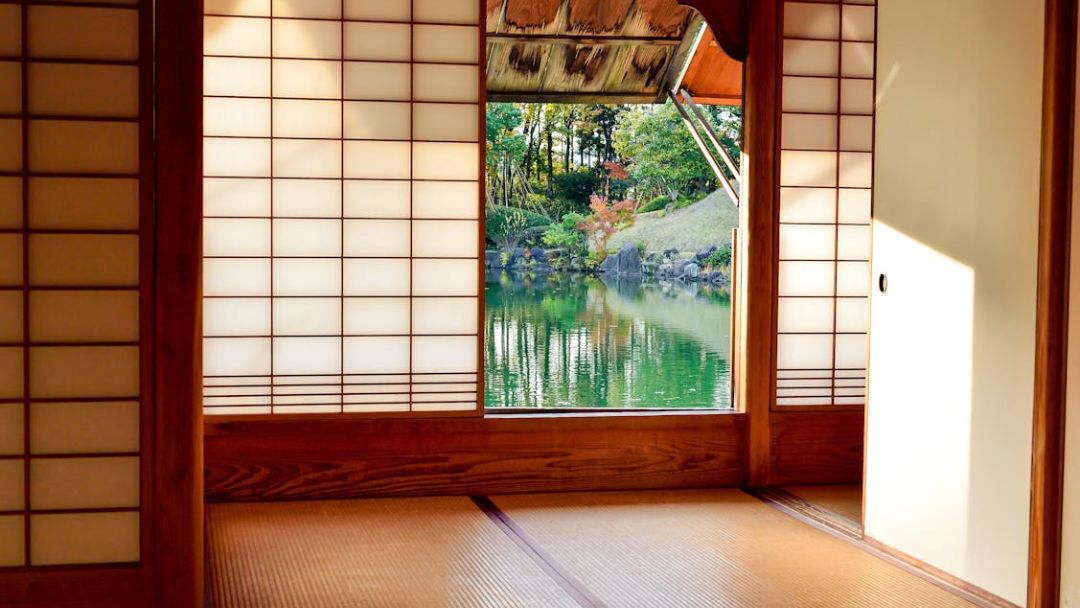
Step Inside: The Art of Crafting Traditional Hinoki Sliding Doors
Step Inside: The Art of Crafting Traditional Hinoki Sliding Doors, In the world of Japanese architecture and interior design, few elements are as iconic as **sliding doors** or _shoji_. Known for their elegance, functionality, and deep connection to nature, these doors have become a symbol of Japanese aesthetic principles. Among the many materials used to craft these masterpieces, **Hinoki wood** stands out as a top choice, prized for its beauty, durability, and rich cultural significance.
This article delves into the artistry behind crafting traditional Hinoki sliding doors, exploring their history, cultural relevance, construction techniques, and why they remain a timeless choice for modern spaces.
The History and Cultural Significance of Sliding Doors in Japan
Sliding doors, or fusuma and shoji, have been a staple of Japanese architecture for centuries. They originated during the Heian period (794–1185), evolving alongside Japan's architectural styles, such as sukiya-zukuri and wabi-sabi, which emphasize simplicity, functionality, and harmony with nature.
- Fusuma : Opaque sliding panels often used to divide rooms or provide privacy. These are typically covered with paper or fabric over a wooden frame.
- Shoji : Lightweight, translucent sliding doors or windows made with a wooden lattice frame and covered with rice paper (_washi_).
These doors became integral to Japanese homes, tea houses, and temples, symbolizing adaptability and respect for space. They reflect the philosophy of impermanence, as their lightweight construction allows for flexible room arrangements and seamless integration with nature.
Why Hinoki Wood?
Hinoki, a type of Japanese cypress, has been a cornerstone of traditional Japanese craftsmanship for centuries. Known for its fine grain, warm golden hue, and pleasant citrus-like aroma, Hinoki is considered a sacred wood and is often used in the construction of temples, shrines, and high-end homes.
Key Features of Hinoki Wood
- Durability : Despite being lightweight, Hinoki is highly resistant to rot, decay, and insects, making it an excellent material for sliding doors.
- Aesthetic Appeal : The wood’s natural grain and smooth finish add a touch of elegance to any space.
- Aroma : Hinoki releases a calming fragrance that is believed to have therapeutic properties, enhancing the ambiance of a room.
- Sustainability : Hinoki trees are carefully managed in Japan, ensuring a balance between usage and preservation.
The use of Hinoki wood in sliding doors elevates them from functional pieces to works of art, combining beauty, practicality, and tradition.
The Craftsmanship Behind Hinoki Sliding Doors
Crafting traditional Hinoki sliding doors is a meticulous process that requires exceptional skill and attention to detail. Here’s a step-by-step look at how these doors are created:
- Selecting the Wood
The first step is choosing high-quality Hinoki wood. Artisans look for wood with straight grains, minimal knots, and a uniform color. These characteristics ensure that the final product is both visually stunning and structurally sound. - Preparing the Wood
The selected wood is seasoned to remove moisture, preventing warping or cracking over time. This process can take months or even years, as traditional methods involve air-drying the wood in carefully controlled conditions. - Creating the Frame
The frame of a sliding door is crafted with precision, ensuring tight joints and smooth edges. Artisans use traditional joinery techniques, such as kumiko, which involve interlocking wooden pieces without nails or screws.Kumiko Work : One of the most intricate aspects of crafting sliding doors. Thin wooden strips are cut, planed, and assembled into geometric patterns that add both strength and beauty.
- Applying the Panel
For shoji doors, rice paper (washi) is carefully adhered to the wooden lattice, creating a translucent effect that allows soft, diffused light to enter the room. Fusuma doors, on the other hand, are covered with decorative paper or fabric. - Finishing Touches
The doors are sanded and polished to a smooth finish. Some may be treated with natural oils to enhance the wood’s grain and provide additional protection. Handles or pulls are added, often crafted from matching wood or metal to complement the design.
Integrating Hinoki Sliding Doors into Modern Spaces
While Hinoki sliding doors are deeply rooted in tradition, they have found a place in contemporary homes and commercial spaces worldwide. Their versatility and timeless appeal make them an excellent choice for various applications.
- Room Dividers
Sliding doors can be used to divide open-plan spaces, providing privacy without sacrificing the flow of natural light. - Closet Doors
Hinoki sliding doors add a touch of luxury to closets and storage areas, blending seamlessly with modern or minimalist interiors. - Window Treatments
Shoji sliding doors can double as window coverings, filtering sunlight while maintaining privacy. - Patio or Garden Doors
Their lightweight construction and natural beauty make them a perfect transition between indoor and outdoor spaces.
The Benefits of Hinoki Sliding Doors
Aesthetic Versatility
Hinoki sliding doors complement various design styles, from traditional Japanese interiors to modern minimalist homes.
Space Efficiency
Unlike hinged doors, sliding doors don’t require additional space to open, making them ideal for small rooms or tight spaces.
Eco-Friendliness
Hinoki wood is a sustainable material, and the traditional craftsmanship involved in making these doors often relies on manual techniques, reducing the carbon footprint.
Enhanced Ambiance
The combination of Hinoki wood’s natural fragrance, beautiful grain, and soft lighting through _shoji_ panels creates a calming and inviting atmosphere.
Caring for Your Hinoki Sliding Doors
Proper maintenance ensures that your Hinoki sliding doors remain in excellent condition for years to come. Here are some tips:
- Regular Cleaning
Dust the wooden surfaces with a soft cloth and clean the paper panels gently with a dry brush or vacuum. - Avoid Moisture
While Hinoki is resistant to rot, prolonged exposure to moisture can damage the wood or paper. Ensure proper ventilation in humid areas. - Reapply Finish
If the doors are treated with natural oils, reapply the finish periodically to maintain their luster and protect the wood. - Repair Tears
If the rice paper on _shoji_ doors tears, it can be replaced easily with new paper using a traditional adhesive.
Why Choose Hinoki Sliding Doors for Your Home?
Hinoki sliding doors are more than just functional—they are a statement of elegance and craftsmanship. Whether you’re looking to create a serene retreat, add a touch of Japanese culture to your home, or simply enjoy the benefits of natural materials, these doors are an excellent choice.
Their timeless beauty, coupled with the artistry involved in their creation, makes Hinoki sliding doors a worthwhile investment. They not only enhance the aesthetic appeal of your space but also provide a tangible connection to nature and tradition.
The art of crafting traditional Hinoki sliding doors is a testament to Japan’s rich cultural heritage and dedication to excellence. These doors, with their perfect balance of form and function, continue to inspire and captivate homeowners and designers around the world.
Whether you’re embracing Japanese design principles or seeking to incorporate a touch of natural elegance into your home, Hinoki sliding doors offer unmatched beauty and functionality. Step inside, and let the timeless charm of these handcrafted masterpieces transform your space into a haven of peace and sophistication.
Discover the perfect piece to elevate your living space.