
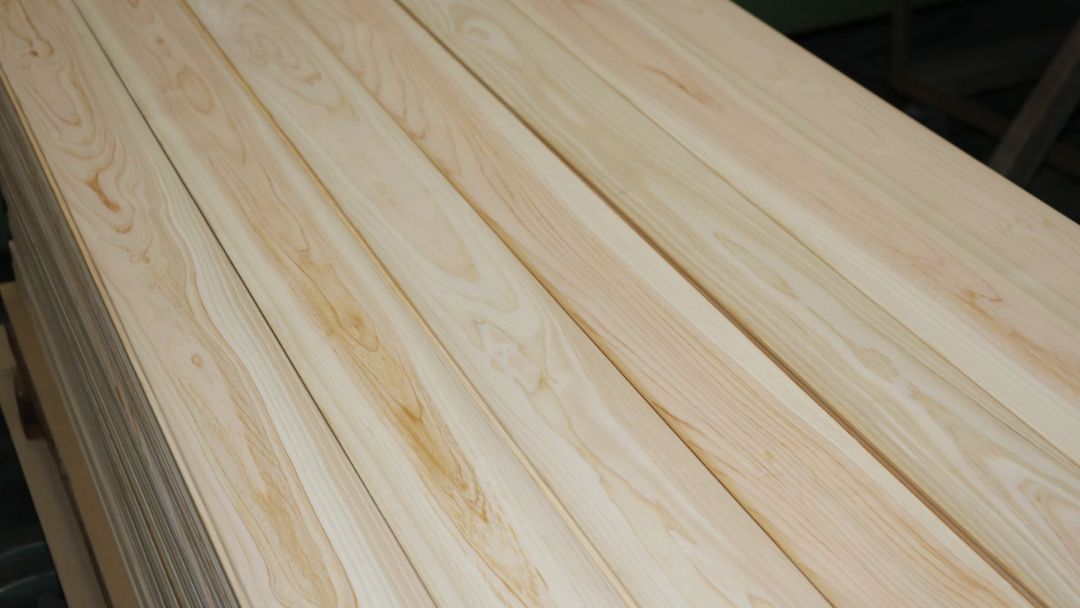
The Sensory Experience of Hinoki
Its Distinctive Aroma, Texture, and Visual Appeal
Hinoki, also known as Japanese cypress (Chamaecyparis obtusa), holds a unique place in both Japanese culture and craftsmanship. Renowned for its multifaceted sensory qualities—aroma, texture, and visual appeal—this evergreen tree has been used for centuries in the construction of sacred temples, traditional bathtubs, and fine craftsmanship. But the appreciation for Hinoki goes beyond its physical characteristics. Its distinct properties engage the senses in profound ways, making it one of the most cherished woods in the world.
This article explores the sensory experience of Hinoki in detail, shedding light on why this wood has earned such a prestigious reputation. We will delve into its unique fragrance, its silky texture, and its visual appeal, providing a comprehensive understanding of how Hinoki affects the human experience on multiple sensory levels.
The Aromatic Essence of Hinoki: A Journey Through Scent
The Chemistry Behind Hinoki’s Aroma
One of the first things people notice about Hinoki is its fresh, invigorating scent. This is due to a group of natural compounds called phytoncides, which are released from the wood. These compounds—especially hinokitiol and α-pinene—are responsible for the distinctive citrus-like, earthy fragrance that Hinoki wood emits. Phytoncides are antimicrobial volatile organic compounds found in many plants and trees, but Hinoki contains a particularly potent concentration. In Japan, these substances are often credited with promoting relaxation and even health benefits.
The refreshing yet grounding scent of Hinoki has been scientifically shown to reduce stress and anxiety. Aromatherapy practitioners often use Hinoki essential oil to promote a sense of calm, making it a staple in spas and meditation spaces. Inhaling the fragrance of Hinoki, especially in a Hinoki bathtub or sauna, creates a holistic experience where the scent envelops the body, easing the mind and promoting relaxation.
The Cultural Significance of Hinoki's Fragrance
In Japan, Hinoki’s scent has long been linked to purification and sacred spaces. Many temples, shrines, and even homes are constructed with Hinoki wood, not only because of its durability but also because its fragrance is believed to purify the air. This aligns with the Shinto and Buddhist beliefs that cleanliness and clarity of space enhance one’s connection to the spiritual world.
For centuries, Hinoki’s soothing scent has been a part of Japanese rituals of cleansing and relaxation. The famous hot spring baths, or onsen, often feature Hinoki wood to add an extra sensory layer to the bathing experience. Stepping into a Hinoki onsen is an aromatic experience in itself, where the steam releases the full intensity of the wood’s natural oils, filling the air with its rejuvenating essence.
The Silky Texture of Hinoki: Tactile Luxury
The Softness and Durability of Hinoki Wood
In addition to its captivating scent, Hinoki offers a tactile experience unlike any other wood. It has a smooth, fine grain that feels soft to the touch yet remains incredibly durable. The combination of these qualities makes it a favorite for furniture, interior panels, and bathtubs. Its surface has a silky, almost velvety feel, which adds to the sensation of luxury when touched.
One of the reasons Hinoki is so smooth is due to its tight grain structure. The wood grows slowly, and this slower growth results in a fine, even texture with minimal knots. When sanded and polished, Hinoki’s surface achieves a luster that enhances the tactile experience. This is particularly notable in traditional Japanese bathtubs, where the feel of warm water against the smooth surface of Hinoki creates an indulgent experience for the bather.
The Durability of Hinoki Despite Its Softness
While soft to the touch, Hinoki is surprisingly resilient. The wood is naturally resistant to rot, mold, and insects, making it highly durable and suitable for both indoor and outdoor use. This unique combination of softness and strength means that objects made from Hinoki, such as cutting boards or chopsticks, are gentle on the hands but can withstand years of use. This balance of tactile comfort and durability is one reason why Hinoki continues to be favored in traditional Japanese craftsmanship.
The smoothness of Hinoki also plays a role in its therapeutic properties. For example, when used in a bath or sauna, the wood doesn’t splinter or roughen, making it a safe and comfortable material for skin contact. This sensory experience enhances feelings of relaxation and well-being, a key reason Hinoki remains central to the Japanese concept of *wabi-sabi*—the appreciation of simplicity and natural beauty.
The Visual Appeal of Hinoki: Natural Elegance
The Golden Hue and Fine Grain
Visually, Hinoki is a stunning wood. Its heartwood has a warm, golden hue that deepens with age, while the sapwood is typically pale, providing a subtle contrast that highlights the natural beauty of the grain. The fine, even grain of Hinoki enhances its visual appeal, giving it a consistent appearance that exudes understated elegance. This visual simplicity is highly valued in Japanese design, where minimalism and the celebration of natural materials are central.
The color of Hinoki evolves over time. When first cut, the wood has a pale, almost creamy color. As it ages, it takes on a deeper, honey-like tone, becoming richer and more complex in appearance. This transformation is often seen as a metaphor for aging gracefully, a theme that resonates deeply in Japanese culture.
Hinoki in Architecture and Design
Hinoki’s visual appeal is most evident in its use in Japanese architecture. Many of Japan’s most famous temples, such as the Horyuji Temple and the Ise Grand Shrine, are constructed from Hinoki. These buildings, some of which are over a thousand years old, showcase the wood’s timeless beauty. The warm, golden color of the wood combined with its fine grain gives these structures an ethereal quality, making them seem almost alive.
In modern design, Hinoki is often used for minimalist interiors, where the beauty of the natural wood takes center stage. Whether used for flooring, wall panels, or furniture, Hinoki brings a sense of calm and elegance to a space. Its ability to age beautifully also makes it a sustainable choice, as it continues to look stunning decades after installation.
The Role of Hinoki in Japanese Aesthetics
Hinoki plays an essential role in Japanese aesthetics, particularly in the concept of shizen (自然), which refers to the intrinsic beauty of natural materials. Hinoki’s warm color and fine grain align perfectly with the Japanese appreciation for materials that reflect the simplicity and imperfection of nature. This is also evident in the philosophy of wabi-sabi, which values the beauty found in aging and imperfection. Hinoki’s color transformation over time is seen as part of its charm, as it gains character and depth with age.
Additionally, Hinoki’s visual simplicity makes it an ideal complement to other natural materials, such as stone and paper, which are often used in traditional Japanese interiors. Together, these elements create a harmonious environment that fosters a sense of peace and tranquility.
The Psychological and Emotional Impact of Hinoki
Stress Reduction and Mental Clarity
The sensory experience of Hinoki—its scent, texture, and appearance—has a profound effect on mental and emotional well-being. Studies have shown that exposure to the scent of Hinoki can lower cortisol levels, reduce anxiety, and even improve mood. The phytoncides emitted by the wood have been shown to have calming properties, which help to alleviate stress and promote relaxation.
When combined with its tactile and visual appeal, the overall effect of Hinoki is deeply soothing. Whether used in a spa, home, or public space, Hinoki creates an environment that encourages mindfulness and relaxation. It’s no surprise that in Japan, Hinoki is often used in spaces designed for meditation and reflection.
The Role of Hinoki in Japanese Healing Practices
In traditional Japanese healing practices, such as forest bathing (shinrin-yoku), exposure to natural elements like Hinoki is believed to restore balance to the body and mind. The act of walking through a Hinoki forest, breathing in its scent, and touching the wood is seen as a form of therapy that reconnects people with nature.
This holistic approach to well-being is deeply embedded in Japanese culture, where the sensory experience of natural materials is considered essential to a balanced life. Hinoki, with its unique combination of aroma, texture, and visual appeal, is a perfect example of how natural materials can have a profound impact on human health and happiness.
The Timeless Appeal of Hinoki
The sensory experience of Hinoki goes beyond its use as a construction material. Its aromatic, tactile, and visual qualities create a multi-dimensional experience that engages the senses on a profound level. From its soothing scent to its silky texture and warm, golden hue, Hinoki offers a connection to nature that is both grounding and uplifting.
In a world increasingly dominated by synthetic materials and fast-paced lifestyles, Hinoki stands as a reminder of the beauty and serenity that can be found in natural materials. Its timeless appeal continues to captivate people around the world, making it a cherished material not just in Japan, but globally. Whether in the form of a handcrafted table, a serene bathtub, or a sacred temple, Hinoki invites us to slow down, breathe deeply, and reconnect with the natural world.