
Hot, Cold, Reset: How to Build a Sauna and Cold Plunge Contrast Routine at Home
Step out of a hot sauna and into cold water, and the body responds within seconds. Breathing sharpens, skin tingles, and the mind goes quiet. This pairing of heat and cold, often called contrast therapy, has become one of the most popular home wellness routines of recent years. It is also much older than the trend suggests. Finnish bathers have rolled in snow or jumped into lakes between sauna rounds for generations, and Japanese bathing culture has its own habit of moving between hot and cool water. This guide explains how the routine works, how to do it step by step, and how to set up a space that makes it easy to repeat.
Where the Hot and Cold Habit Comes From
Japanese bathhouses and onsen towns have long offered cool-water baths beside hot ones, and rinsing with cold water after a hot soak is common in daily life. Nordic sauna culture developed in parallel. Both traditions treat heat and cold as a pair: heat opens the session, cold closes it, and rest in between lets the body settle.
A modern cold plunge tub brings that idea into a controlled setting. Instead of depending on a lake or a cold shower, you have a dedicated tub of cool water that is ready at any hour and easy to keep clean.
What Happens in the Body
Heat widens the blood vessels near the skin, raises the heart rate, and prompts sweating. Cold water does the opposite: blood vessels narrow, breathing quickens for a moment, and alertness rises. Moving between the two gives the circulatory system a workout of its own, which many people describe as both invigorating and deeply relaxing.
Research on hot and cold exposure is still developing, and results differ between studies. Reported benefits include a better mood, higher alertness, and easier recovery after exercise. Treat these as possible benefits, not guaranteed outcomes, and pay attention to how your own body responds.
A Beginner Routine, Step by Step
- Prepare. Drink a glass of water, remove jewelry, and take a short warm shower.
- First heat round. Spend 10 to 15 minutes in the sauna. Many people are comfortable between 70 and 85 degrees Celsius, so start at the lower end.
- Step out. Take a minute outside to breathe and let your skin cool before the plunge.
- Cold plunge. Enter slowly and stay for 30 seconds to 2 minutes in water of about 10 to 15 degrees Celsius. First-timers can begin with 20 to 30 seconds. Breathe out slowly and keep your breathing steady.
- Rest. Sit for 5 to 10 minutes wrapped in a towel and drink water.
- Repeat. Do two or three rounds in total. Finish with cold or with rest, whichever feels better.
- Recover. Warm up gradually, then rehydrate and eat something light.
Safety First
Cold water is a shock to the body. People with heart conditions, high blood pressure or circulation problems, and anyone who is pregnant, should speak with a doctor before trying contrast therapy. Never plunge after drinking alcohol. If you are new to it, do not use the cold plunge alone. Leave the water right away if you feel dizzy, numb or unwell. Longer is not better: a short, controlled plunge is enough.
Why Hinoki Improves the Ritual
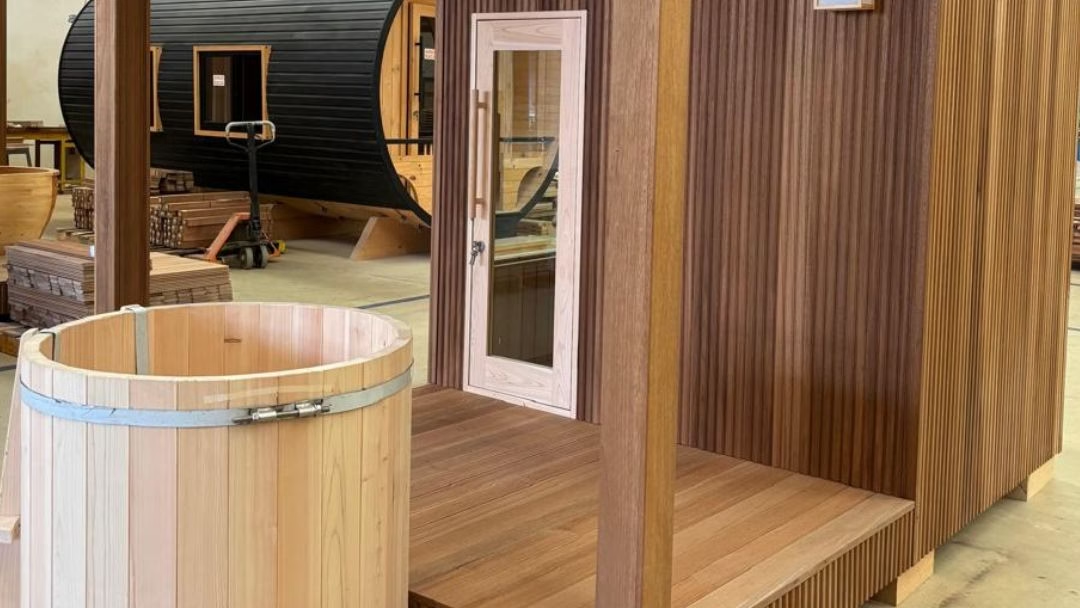
Hinoki, or Japanese cypress, has a soft, citrus-like aroma that many people find calming, and it has been used in Japanese baths and temples for centuries. The wood copes well with heat and moisture, which suits both a sauna and a cold plunge. It also feels smooth and warm against bare skin, and its scent turns a routine into something closer to a ritual. Nagomi builds its barrel saunas, cube saunas and cold plunges from hinoki, so the whole setup shares one material and one atmosphere.
Barrel or Cube: Pairing Your Sauna with a Plunge
A barrel sauna suits a garden or open terrace, and its rounded shape helps heat circulate evenly. A cube sauna has a modern profile and fits well beside a pool deck or courtyard. Either one pairs naturally with a cold plunge placed a few steps from the door. Keep the path short and non-slip, because you will be walking wet. For more on the two sauna formats, read our comparison in Barrel vs Cube Sauna, and see Sauna Etiquette for the habits that make every session better.
Start Simple
A contrast routine does not need to be complicated. One sauna, one plunge and a quiet place to rest are enough to begin. To explore a hinoki sauna and cold plunge set for your home, villa or hotel, contact the Nagomi team for a quote.