
A Beginner’s Guide to Creating Your First Home Sauna
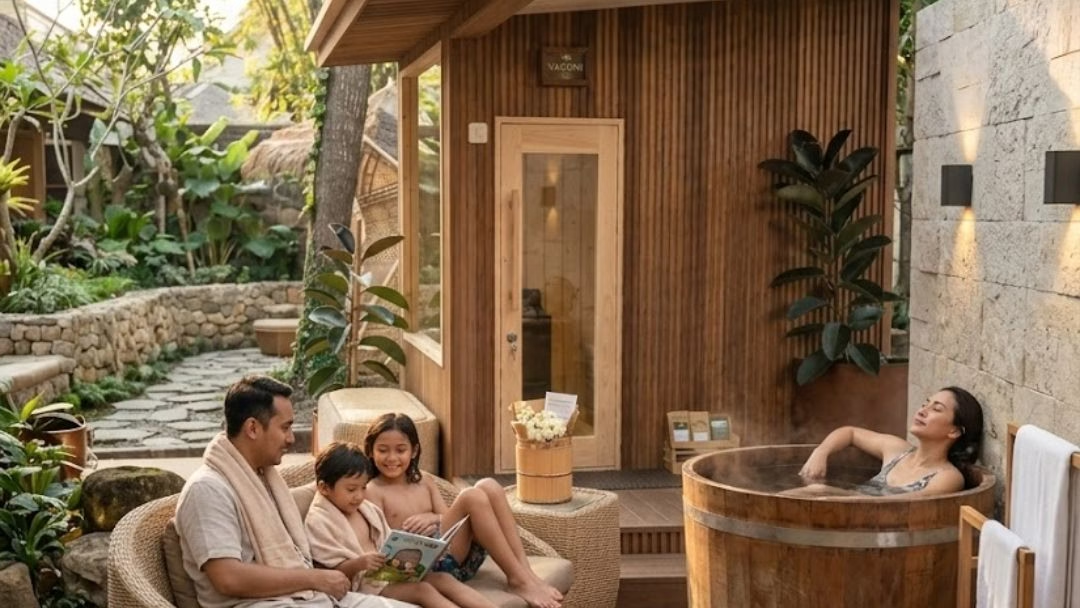
There is something profoundly calming about stepping into warm, cedar-scented air , the kind of quiet that strips away the noise of a long day. A home sauna is no longer a luxury reserved for mountain resorts. With the right knowledge, it is something you can create in your own backyard, balcony, or spare room and enjoy every single evening.
Why Consider a Home Sauna ?
The popularity of home saunas has grown significantly over the past several years, and for good reason. Wellness culture is shifting inward people are investing in personal sanctuaries rather than relying solely on gyms and spas. A home sauna offers unmatched convenience: no booking, no commute, no waiting. Just step in, breathe deep, and let the heat do its work.
Research continues to support the physical benefits of regular sauna use. From improved cardiovascular circulation and reduced muscle tension to deeper sleep and lowered cortisol levels, the case for a home sauna is both scientifically and intuitively compelling. Beyond the body, the ritual itself the stillness, the warmth, the intentional pause is a form of mindfulness practice.
DID YOU KNOW?
Regular sauna bathing, as few as 2–3 sessions per week, has been linked to improved cardiovascular health, reduced stress hormones, and better sleep quality all within just a few weeks of consistent use.
Step 1 : Choose the Right Type of Sauna
Before anything else, you need to decide which type of sauna fits your lifestyle, space, and budget. Each option delivers warmth in a different way, and the experience varies meaningfully between them.
| Type | Heat Source | Temperature | Best For |
|---|---|---|---|
| Traditional Finnish | Wood-burning or electric stove with stones | 70–100°C | Authentic, intense heat experience |
| Infrared | Infrared panels heating the body directly | 45–65°C | Beginners, small spaces, lower power use |
| Steam Room | Steam generator | 40–50°C, 100% humidity | Respiratory relief, skin hydration |
| Barrel Sauna | Wood or electric stove | 70–95°C | Outdoor spaces, aesthetic appeal |
For most first-time buyers, the barrel sauna or a compact indoor Finnish sauna offers the best balance of authenticity, ease of setup, and visual appeal. At Nagomi, our barrel and cube sauna units are purpose-built for this exact scenario handcrafted from premium Japanese hinoki wood and designed to be placed in a garden, terrace, or villa courtyard with minimal installation effort.
Step 2 : Find the Right Location
Location makes or breaks the sauna experience. A poorly placed unit can be inconvenient to use, while a well-considered spot transforms the daily ritual into something genuinely special.
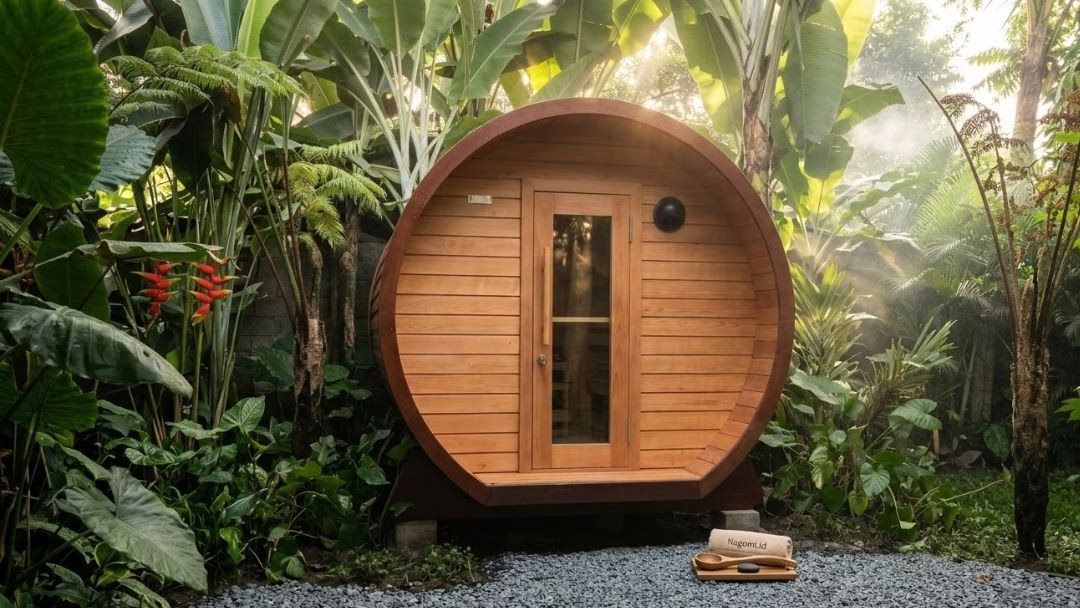
Outdoors — Garden or Backyard
The most popular choice for barrel saunas. Ensures natural ventilation, easy drainage, and a scenic experience. Place it near a water feature or shaded by trees for an immersive forest-bathing atmosphere.
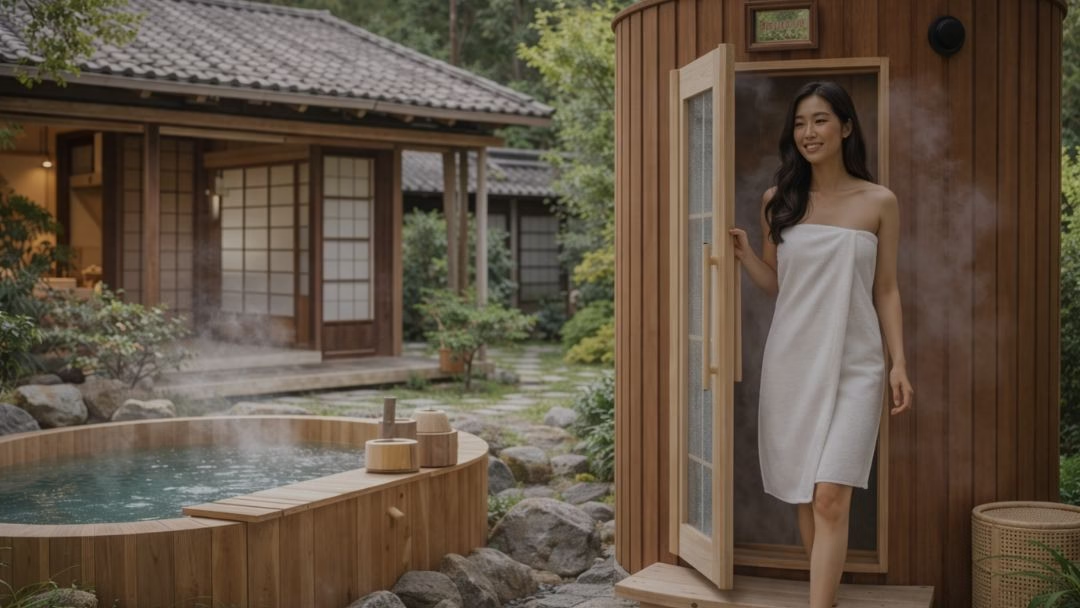
Terrace or Deck
Ideal for homes without a garden. A solid deck structure is needed to support the weight. Compact cube saunas work especially well here, combining a modern aesthetic with practical footprint.
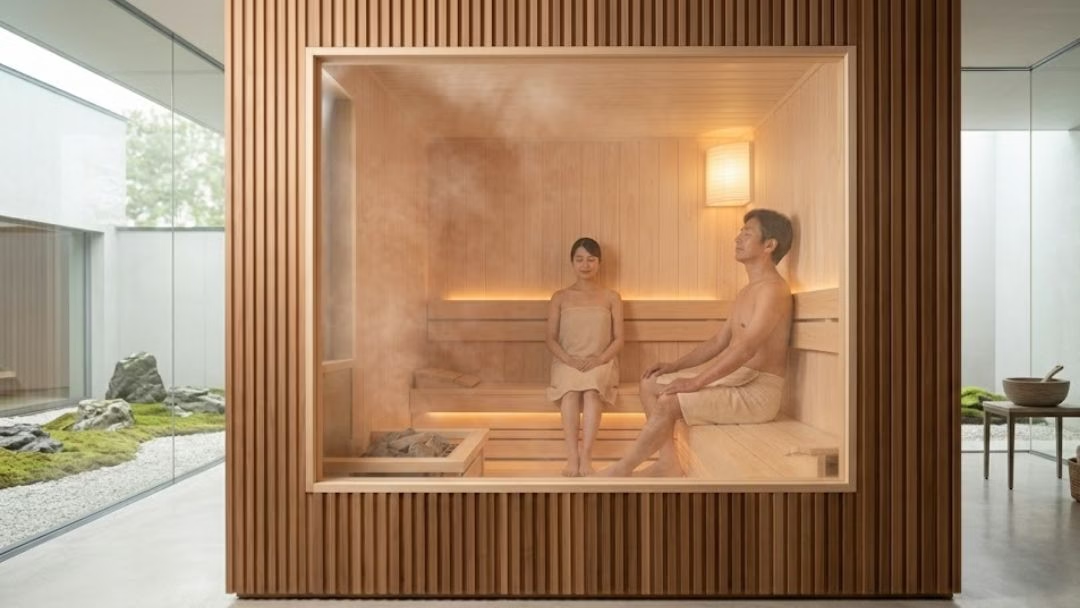
Indoor - Spare Room or Bathroom Extension
Perfect for infrared or small-cabin saunas. Requires adequate ventilation and moisture-resistant walls. Check local building codes before installation.
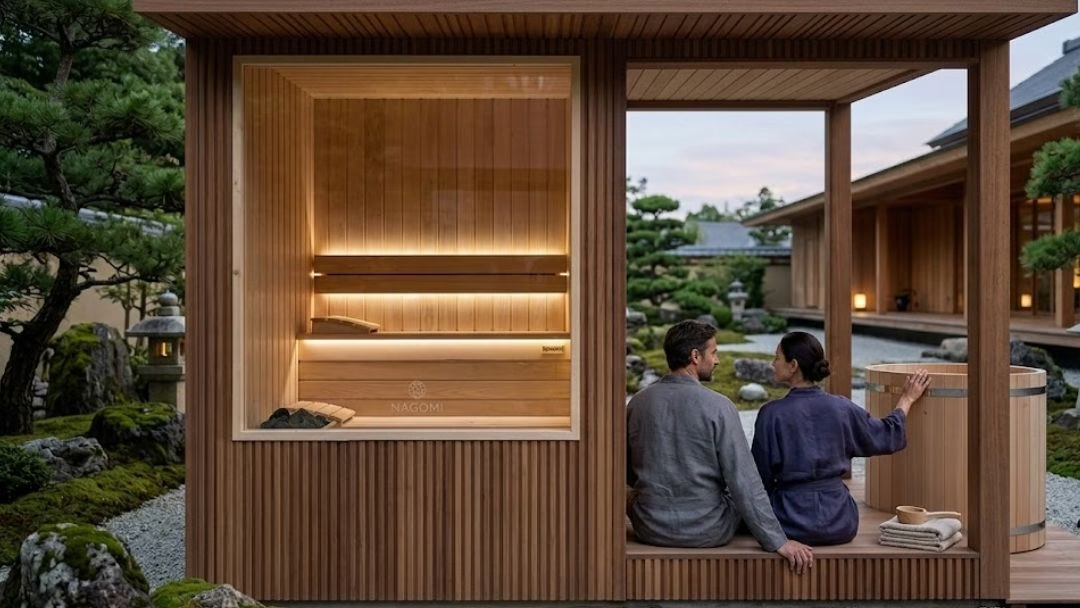
Poolside or Near a Cold Plunge
The ultimate wellness setup. Moving between heat and cold dramatically amplifies the cardiovascular and recovery benefits. If you have a pool, this is the location to prioritize.
Step 3 : Selecting the Right Wood
Wood is the soul of any sauna. The species you choose affects heat retention, aroma, durability, and the tactile experience of being inside. Not all timbers are equal when exposed to sustained high heat and humidity and the difference between a good sauna and a truly exceptional one often comes down to the wood itself.
At Nagomi, the primary material for both barrel and cube saunas is hinoki Japanese cypress (Chamaecyparis obtusa), long revered in Japan for its extraordinary properties. Hinoki has been used for centuries in temples, bathhouses, and imperial palaces precisely because of its resilience, natural beauty, and the meditative quality of its scent. When heated, hinoki releases a distinctive aromatic compound alpha-pinene that is both calming to the nervous system and gently refreshing to the respiratory tract. Stepping into a hinoki sauna is an immersive sensory experience unlike any other wood.
Beyond its aroma, hinoki excels as a sauna material for practical reasons. It is naturally resistant to moisture, mold, and bacteria critical qualities in a high-humidity environment. Its tight grain structure provides excellent thermal stability, meaning the wood heats evenly and holds warmth without warping or cracking over time. The surface remains smooth and splinter-free even after years of use, and it stays comfortably cool to the touch on benches, even at high temperatures.
Hinoki also carries a cultural dimension that resonates with Nagomi's philosophy. The word nagomi means inner calm and harmony in Japanese and hinoki, as the wood of shrines and ritual spaces, embodies that spirit of intentional peace. Choosing a Nagomi sauna is not just a functional decision; it is an alignment with a centuries-old tradition of mindful wellbeing.
When comparing sauna woods, hinoki stands apart from common alternatives like pine (which contains resins that can drip and cause burns when heated), or generic cedar (which, while aromatic, lacks hinoki's antibacterial properties and cultural depth). If you are building a sauna to last a lifetime one that looks beautiful, smells extraordinary, and performs at the highest level hinoki is the material to choose.
Step 4 : Understand the Essential Accessories
A great sauna session depends as much on the accessories as the structure itself. Once your unit is in place, here is what you need to complete the experience:
Ladle & Bucket
For traditional Finnish löyly pouring water over the heated stones to create a burst of steam. Use a wooden or stainless ladle.
Birch Whisk (Vihta)
Bundles of birch branches used to gently strike the skin, improving circulation and releasing a pleasant herbal scent.
Thermometer & Hygrometer
Monitor temperature and humidity levels for a safe, comfortable session. Essential for beginners learning their preferred settings.
Sand Timer
A classic wooden hourglass keeps your sessions structured. Most beginners start with 10–15 minute rounds, with rest intervals in between.
Sauna Oils & Essences
Add a few drops of eucalyptus, pine, or birch tar essence to the water for an aromatherapy layer that enhances the respiratory experience.
Sauna Towels & Mat
Always sit on a clean towel to absorb perspiration and protect the wood benches. A removable floor mat adds comfort and hygiene.
Step 5 : Your First Sauna Session
Once your sauna is set up, it is tempting to jump straight in and push to the highest temperature. Resist that urge. A beginner's first few sessions should focus on acclimatization, not endurance.
Begin by preheating your sauna for 30–45 minutes before entering. For traditional saunas, aim for around 70–80°C initially. Enter with a clean, dry body showering beforehand removes surface oils and opens pores, making the experience more effective. Sit on the lower bench, where temperatures are milder, and stay for 8–12 minutes. Then step out, cool down with fresh air or a cool shower, and rest for at least 5–10 minutes.
Repeat this cycle two or three times. Drink water before, during, and after each session. Avoid alcohol before entering, and do not push through dizziness or discomfort the sauna is meant to be restorative, not punishing.
SAFETY FIRST
Always consult a medical professional before starting regular sauna use if you have cardiovascular conditions, are pregnant, or are on medication that affects blood pressure or body temperature regulation. Most healthy adults can enjoy sauna bathing safely when they listen to their body and stay hydrated.
Step 6 : Maintenance and Long-Term Care
A well-maintained home sauna can last for decades. The care routine is mercifully simple. After each session, leave the door open to allow the interior to dry fully trapped moisture is the primary enemy of wood longevity. Wipe down benches with a damp cloth weekly, and sand them lightly once or twice a year to keep the surface smooth and splinter-free.
Do not apply paint or standard wood varnishes to interior surfaces they can release toxic fumes when heated. If you wish to treat the wood, use a sauna-specific wax or paraffin oil designed for high-temperature environments. For exterior panels on outdoor units, a UV-resistant wood oil applied annually will protect the structure from sun, rain, and humidity.
Clean the stones in a traditional heater every one to two years by removing them, rinsing with water, and replacing any that have cracked or crumbled. Cracked stones can shatter when water is poured on them, so regular inspection matters.
Making It Your Own
A home sauna is not just a wellness tool it is a personal sanctuary. Over time, you will develop your own rituals: the ideal temperature, the preferred essential oils, the right playlist (or the restorative power of complete silence). Some people pair their sauna with a cold plunge or outdoor shower; others follow their sessions with journaling or meditation.
At Nagomi, we believe the finest wellness spaces carry a sense of calm that begins before you even open the door. Our barrel and cube saunas are crafted from premium hinoki a wood chosen not only for its performance, but for the living, breathing quality it brings to every session. Whether you are building a private retreat for daily use or elevating a property as a hospitality investment, the principles remain the same: the right wood, the right heat, and the right intention.
Your first home sauna is the beginning of a practice that can genuinely transform how you rest, recover, and reconnect with yourself. Start simply. Start with quality. And let the warmth do the rest.